Residential & Commercial Service
Drywall Patching in Colorado Springs
Holes, cracks, dents, and failed anchors patched, backed, and texture-matched so the repair disappears into the wall. Free estimates across Colorado Springs and the surrounding communities.
Overview
What drywall patching actually involves
Drywall patching is the repair of localized damage to a wall or ceiling — anything from a nail hole to an opening the size of a chair back — without tearing out and replacing the entire sheet. It sounds simple, and filling the hole is the easy part. What separates a professional patch from a weekend fix is everything around the hole: cutting back to material that's still sound, giving the new piece rigid backing so it can never flex, feathering compound wide enough that no ridge catches the light, and then rebuilding the original texture and paint sheen.
Most of the damage we patch in Colorado Springs homes comes from ordinary life: door handles hitting walls in tight hallways, furniture moved against a corner, mounts and shelf anchors pulling out, and holes cut by plumbers or electricians during other work. The rest is climate and structure. Dry Front Range air, big daily temperature swings, and soil movement under foundations open corner cracks and push fasteners back out of the framing, which is why nail pops and seasonal cracks show up in otherwise well-built homes here.
Left alone, small damage grows. Paper edges keep crumbling, cracks widen with each seasonal cycle, and an open cavity invites pests, drafts, and — around kitchens and baths — moisture. Patching it properly restores the wall's surface, its fire and sound separation, and its appearance in one visit.
Our process
How we patch drywall so it holds up
Five steps, in the same order on every job — from a single anchor hole to a whole hallway of damage.
Assess the damage and find the cause
Before any compound comes out, we look at why the drywall failed. A doorknob hole is straightforward; a recurring crack at a corner or a soft, discolored area usually points to settling, truss movement, or moisture. We check the surrounding board for hidden damage and confirm there's nothing behind the wall — wiring, plumbing, ducting — in the way of the cut.
Cut back to solid material and add backing
Crumbled edges and hairline fractures around a hole will telegraph through any patch, so we square the opening back to sound board. Then the patch gets something rigid to attach to: wood backing strips or a drywall backer screwed behind the opening, so the new piece can't flex, rattle, or crack loose later.
Set the patch, tape, and feather three coats
New board of matching thickness goes in tight, fastened to the backing. Seams get paper or mesh tape bedded in compound, then two more progressively wider coats — setting-type compound where strength and fast cure matter, all-purpose for the finish coats. Each coat is feathered well past the last so there's no ridge or shadow line where the repair meets the wall.
Match the existing texture by hand
This is the step that decides whether a patch is invisible. We test on a scrap board first, adjusting mud consistency, spray pressure, and knockdown timing until it reads the same as your wall — orange peel, knockdown, skip trowel, splatter, or Level 5 smooth. Older Colorado Springs homes with hand-troweled texture get the pattern worked in by knife.
Prime, paint, and check under raking light
Fresh compound absorbs paint differently than the surrounding wall, so the patch is primed before color goes on and the paint is blended out to a natural break. We then inspect the finished area under light raking across the surface — the condition that exposes flaws — and clean up the workspace before we leave.
Before & after
A wall opening cut back, backed, patched, texture-matched, and repainted.
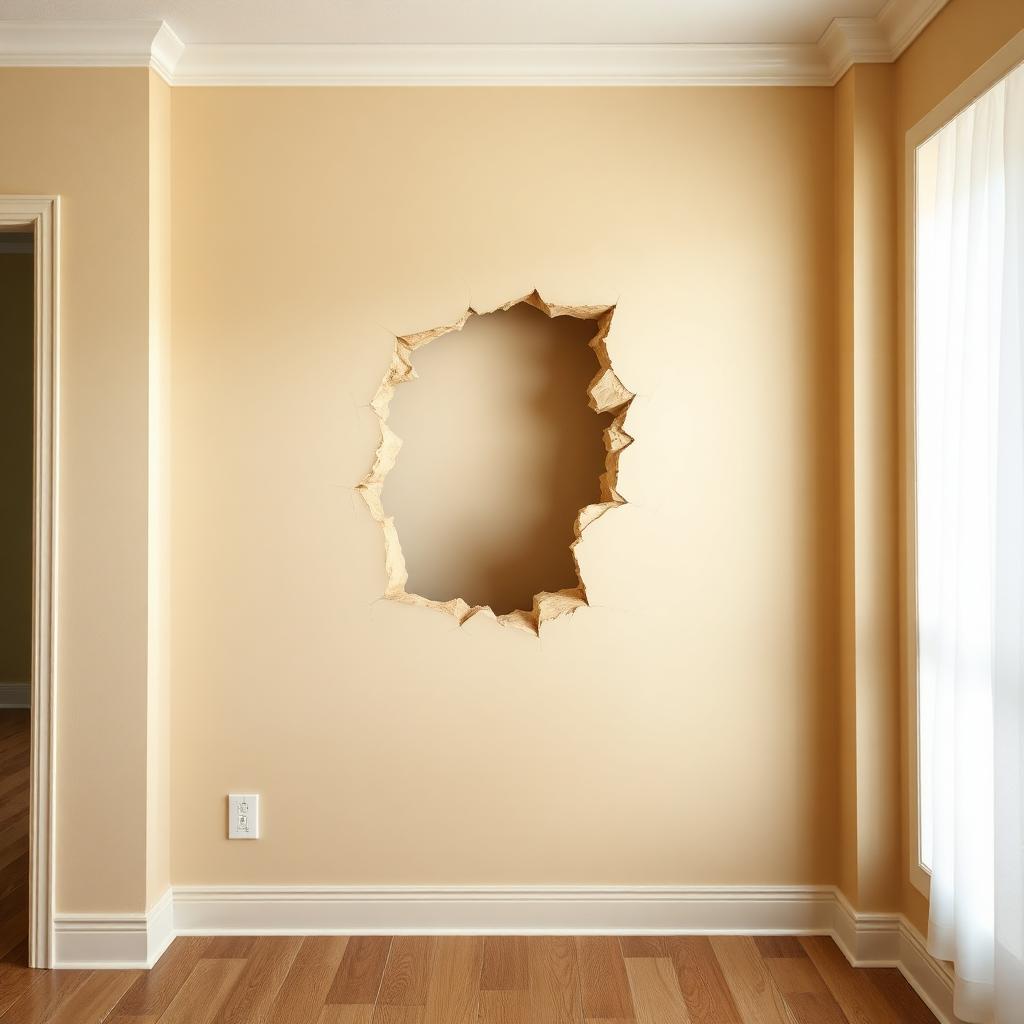 Before
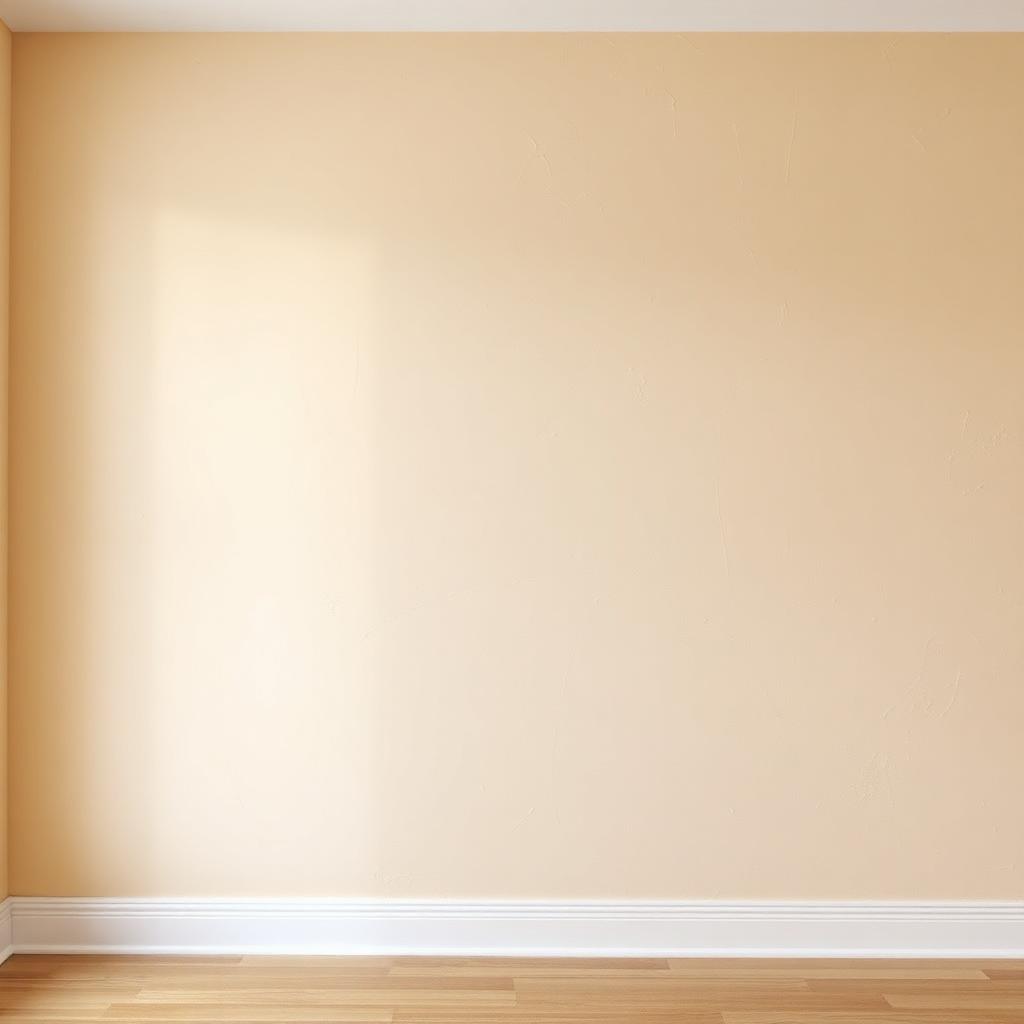 After
AfterWhen to call
Signs it's time for drywall patching
Holes, dents, and failed anchors
Doorknob punches, furniture gouges, TV mounts and shelf anchors that pulled through, or openings left behind after plumbing and electrical work. These don't get better on their own, and the paper edges keep crumbling wider the longer they sit.
Cracks that keep coming back
Hairline cracks above doorways and windows, or along corner bead, are common with Front Range settling and seasonal swings. If you've filled the same crack more than once, it needs to be cut out, re-taped, and re-bedded rather than caulked again.
Nail pops and bulging seams
Rows of small round bumps or a seam that's lifting mean fasteners have backed out of the framing. Re-securing the board to the studs and refinishing the area stops the pattern from spreading across the wall or ceiling.
Drywall patching questions, answered
How much does drywall patching cost in Colorado Springs?
Pricing mainly comes down to the size of the damage and how much texture blending it needs once the patch is in. A small hole from a doorknob or picture anchor is typically a quick, affordable fix, while a larger hole that needs backing and more careful texture work takes longer and costs more. We walk through the damage with you and give a free estimate before starting anything, so you know the cost ahead of time.
Can a large hole be patched, or does the whole section need to be replaced?
Most large holes can be patched rather than replacing a full section of drywall. We cut back to solid material around the damage, add backing so the patch has something solid to hold onto, then build the repair up in layers of compound. Full section replacement usually only comes up when there's underlying water damage, mold, or when a large enough area of the board has failed.
How long until I can paint over a patch?
It depends on how many coats the repair needed and how thick they were applied. The final coat has to be fully dry and sanded smooth before primer and paint go on. Colorado Springs' dry climate and altitude actually tend to help compound cure a bit faster than in more humid areas, but we'll still give you an accurate timeline based on the specific repair.
Will the patch be visible once it's finished?
The whole point is that it isn't. Filling the hole is really just the first step. What actually makes a patch disappear is matching the texture and blending the paint into the surrounding wall. We sample your existing finish, whether it's knockdown, orange peel, smooth, or a hand-applied texture common in older Colorado Springs homes, and work it in until the repair holds up under normal light in the room.
Related services
Other drywall work we handle
Patching often pairs with one of these. See all of our Colorado Springs drywall repair services.
- Drywall Patching Colorado Springs
- Texture Matching Colorado Springs
- Ceiling Repair Colorado Springs
- Water Damage Repair Colorado Springs
- Popcorn Ceiling Removal Colorado Springs
- Commercial Drywall Colorado Springs
Get a free drywall patching quote
Send a few details — or a photo of the damage — and we'll follow up the same business day with a free estimate. Prefer to talk it through? Call us directly.
719-359-5208